Unconscious Biases: What We Exclude Without Thinking
Take the first step towards creating fairer and more inclusive workplaces by recognising the invisible biases that shape our day-to-day decisions.
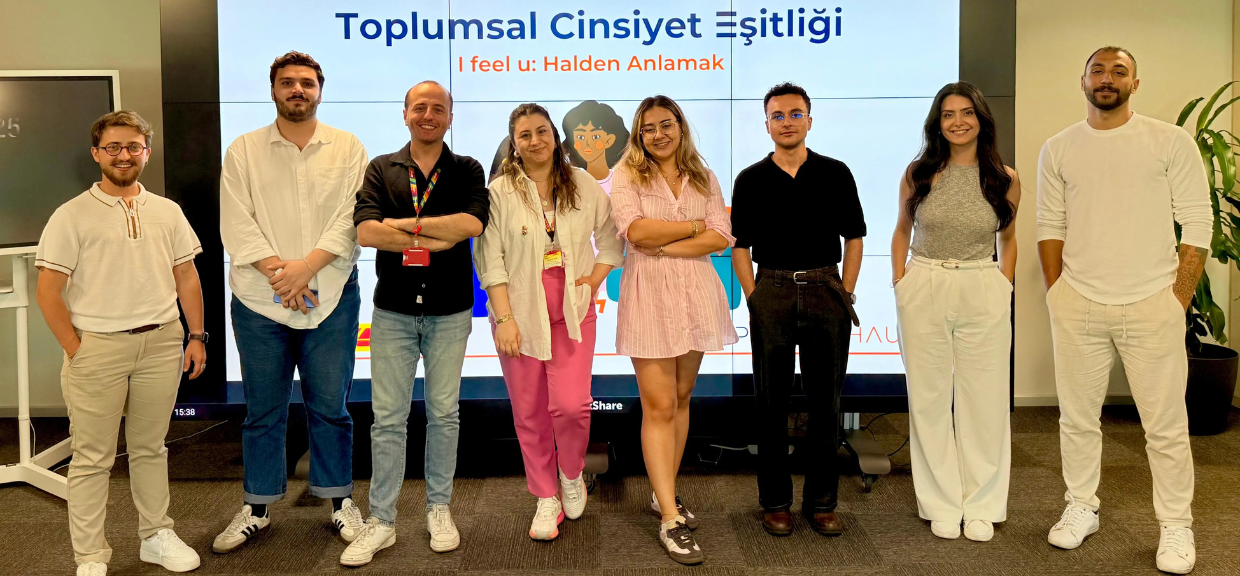
Gender Equality and an Inclusive Working Environment
Build a workplace culture with equal opportunities for everyone by making gender-based discrimination visible.
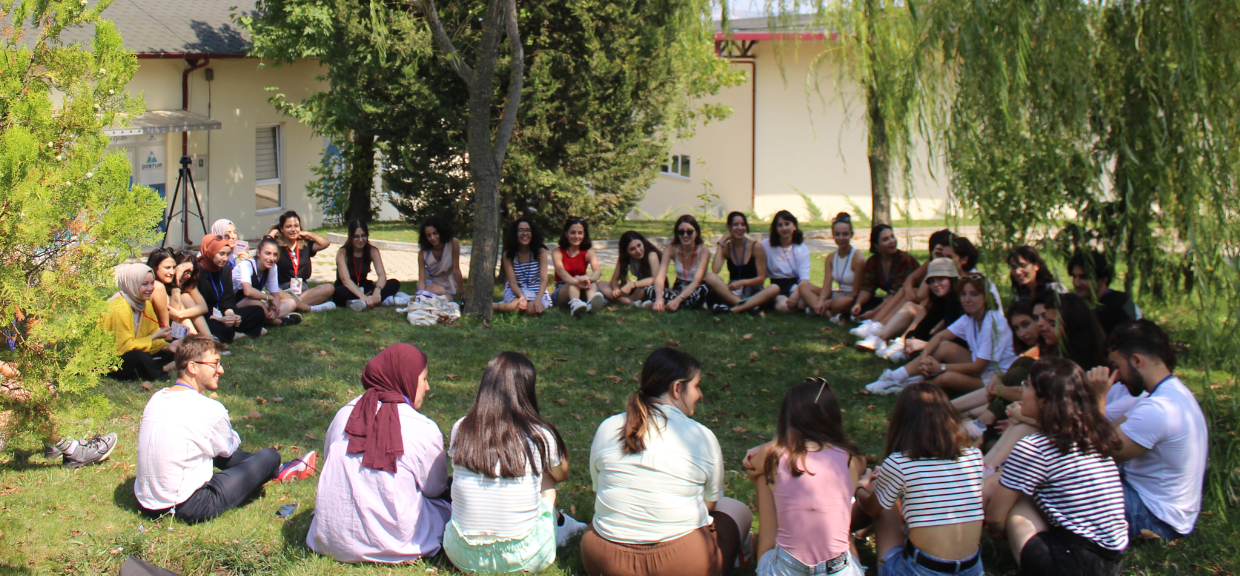
Inclusive Communication & Collaborative Workplace Culture
Recognise the power of words; learn to build understanding instead of conflict, and connection instead of exclusion.
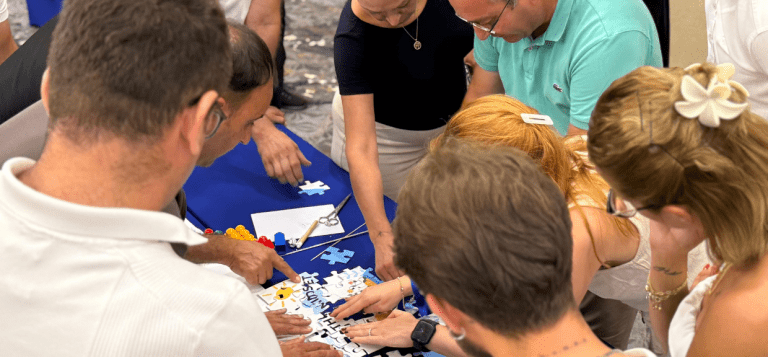
Inclusive Recruitment and Interview Techniques
True leaders do not choose people who are just like themselves, but those who will enrich their team and in whom they can invest.
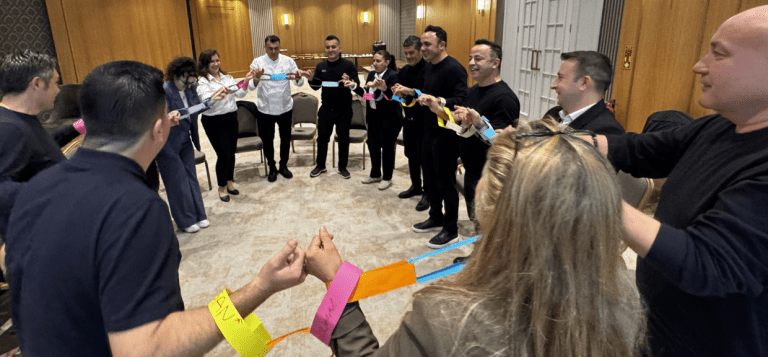
Trauma-Informed Leadership
Redefine leadership not just as managing, but as representing and creating space.
Neurodiversity in the Workplace
Embrace the DEI approach not as an ethical goal, but as a strategic roadmap to organisational success.
Psychological Safety: Are Healing Organisations Possible?
Design safe organisational cultures where employees can raise their voices and mistakes are turned into learning.

Inclusive Leadership: Make Space, Amplify Voices, Step Back
Redefine leadership not just as managing, but as representing and creating space.
Building Diversity, Equity and an Inclusive Culture
Embrace the DEI approach not as an ethical goal, but as a strategic roadmap to organisational success.
Intercultural and Intergenerational Learning
Gain intercultural competence that enables you not just to work alongside people from different backgrounds, but to truly understand one another.
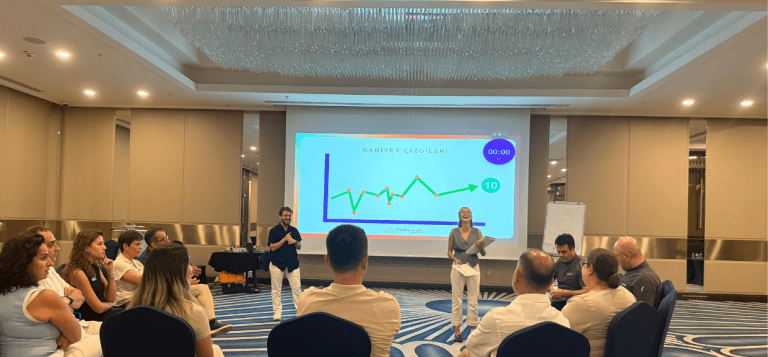
Stop Normalizing Toxic Workplace Culture
Foster a healthy organisational culture by recognising invisible toxic dynamics such as silence, intimidation and exclusion.
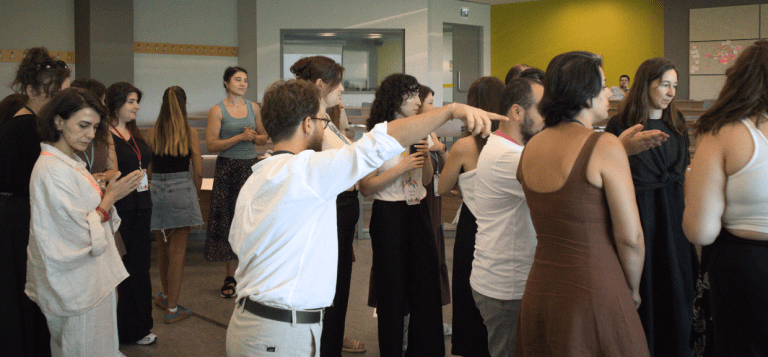
Diversity, Equity, and Inclusion 101
Discover the fundamental concepts of DEI and why it plays a critical role in the business world through simple, effective and practical content.
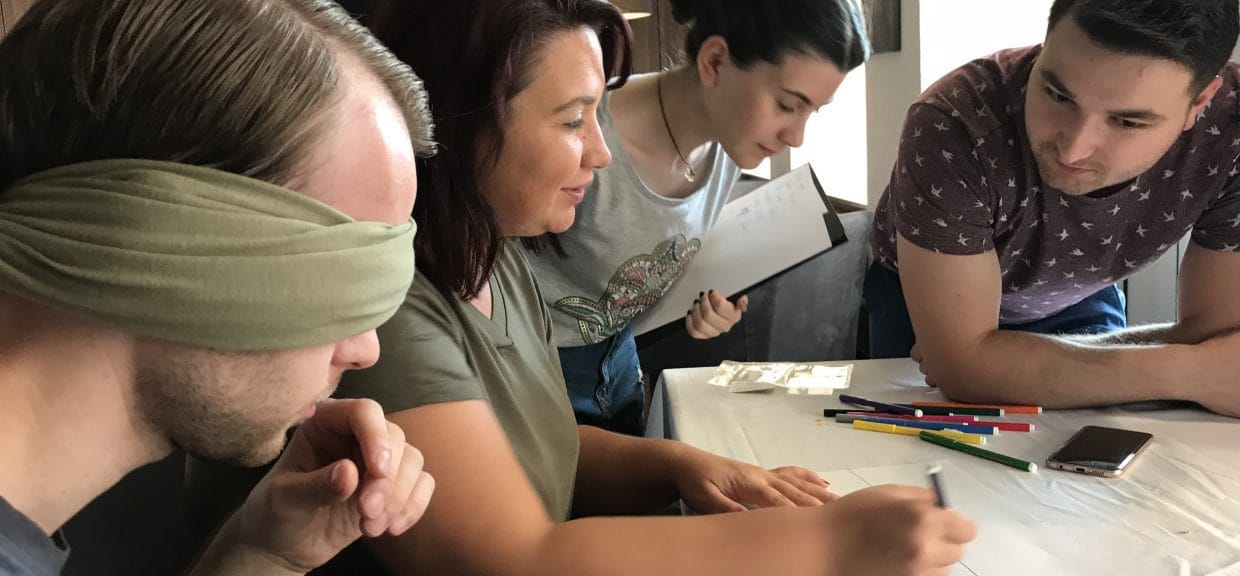
Managing Challenging Participants (!)
How can we manage challenging behaviours before they turn into conflict and communicate effectively with even the most difficult participants?
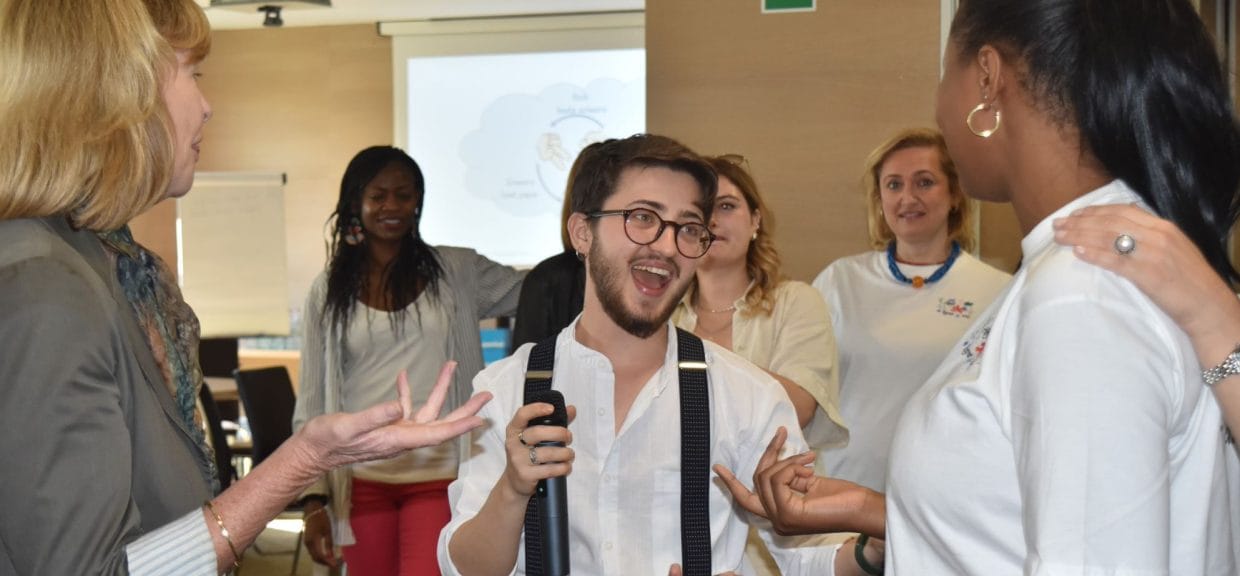
Gamification & Effective Activity Design
Make the learning experience unforgettable with gamified activities that increase participation, make learning fun, and create memorable experiences.
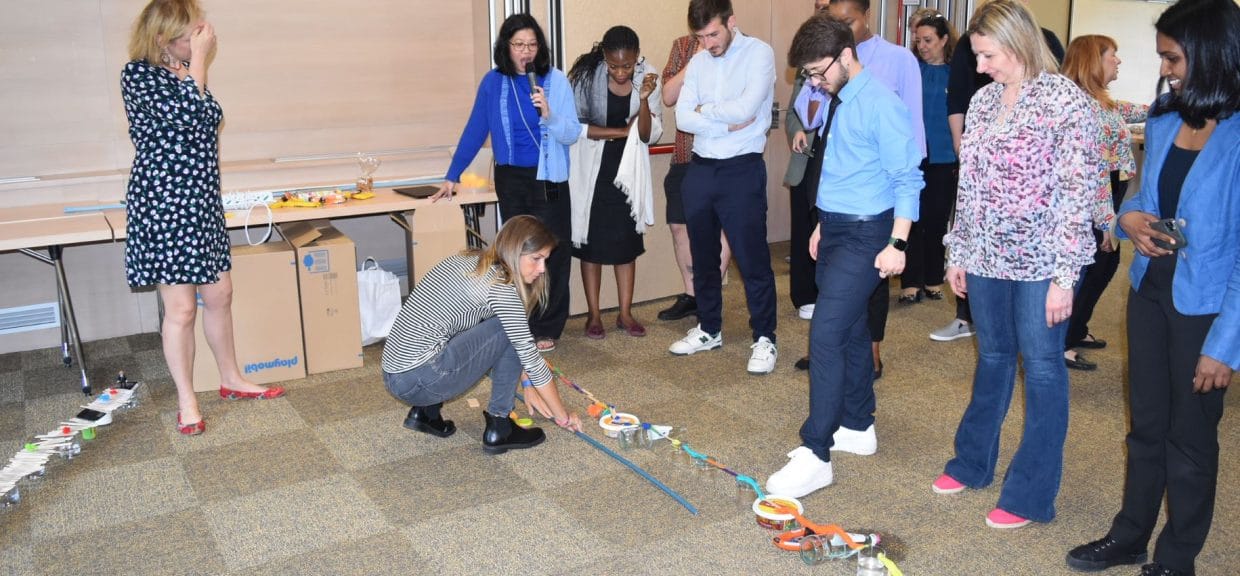
Inclusive Learning Ecosystem Design
Why not have a learning ecosystem that responds to diverse learning needs, strengthens the sense of belonging and centres inclusivity?
Some Organisations I Have Worked With


















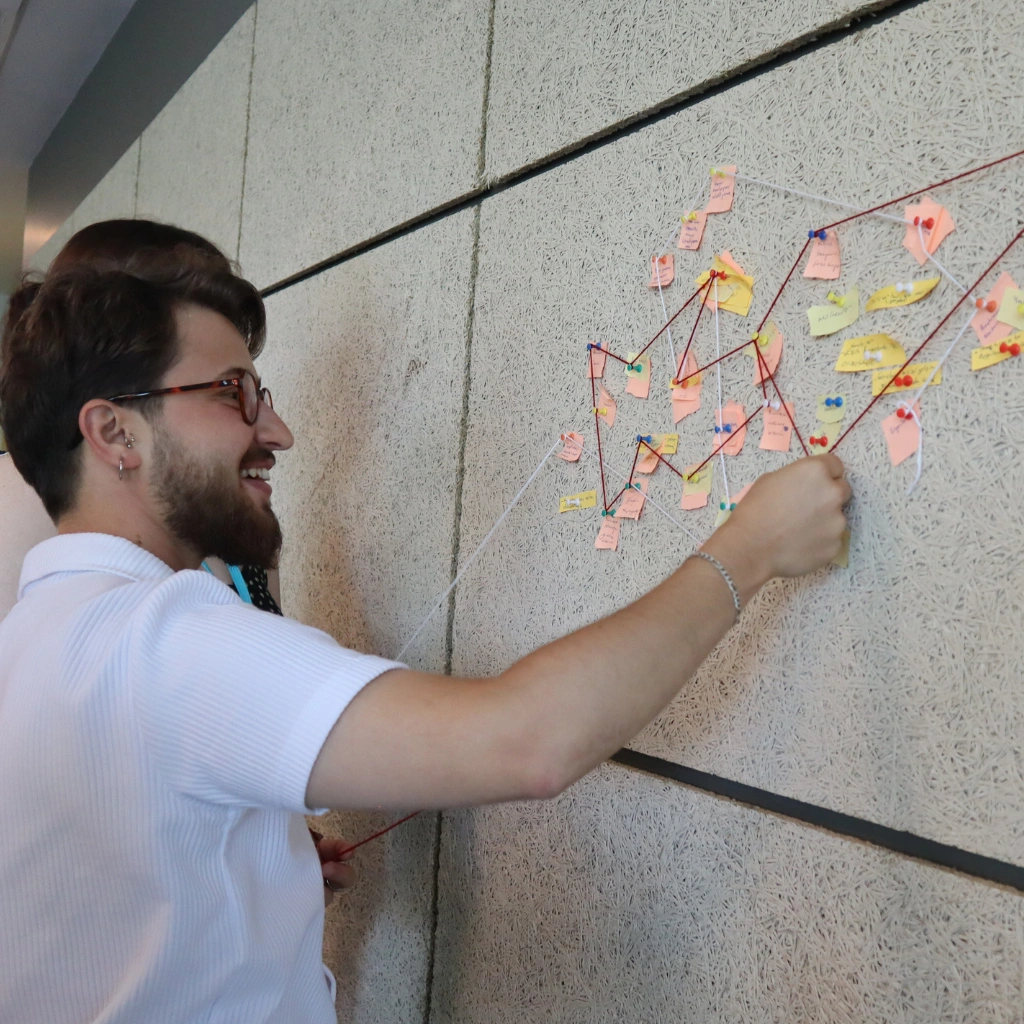
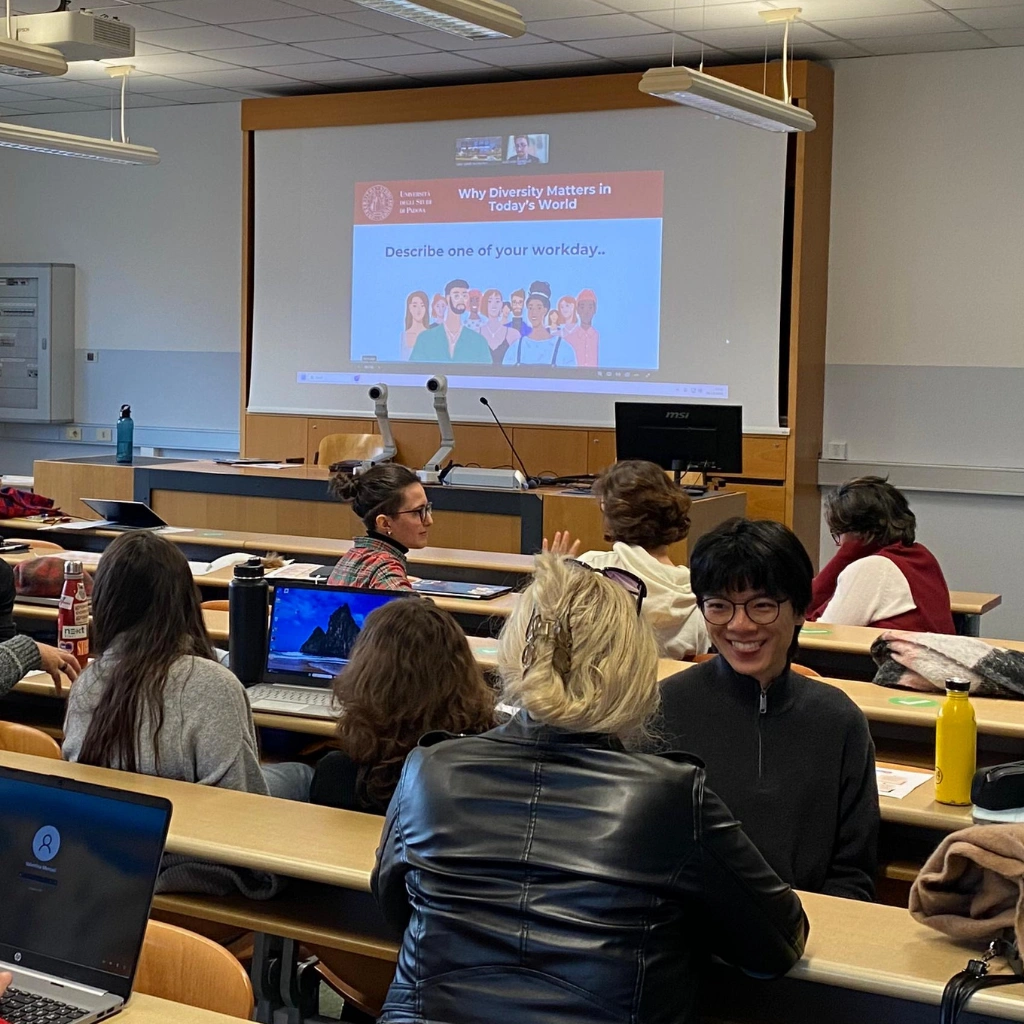
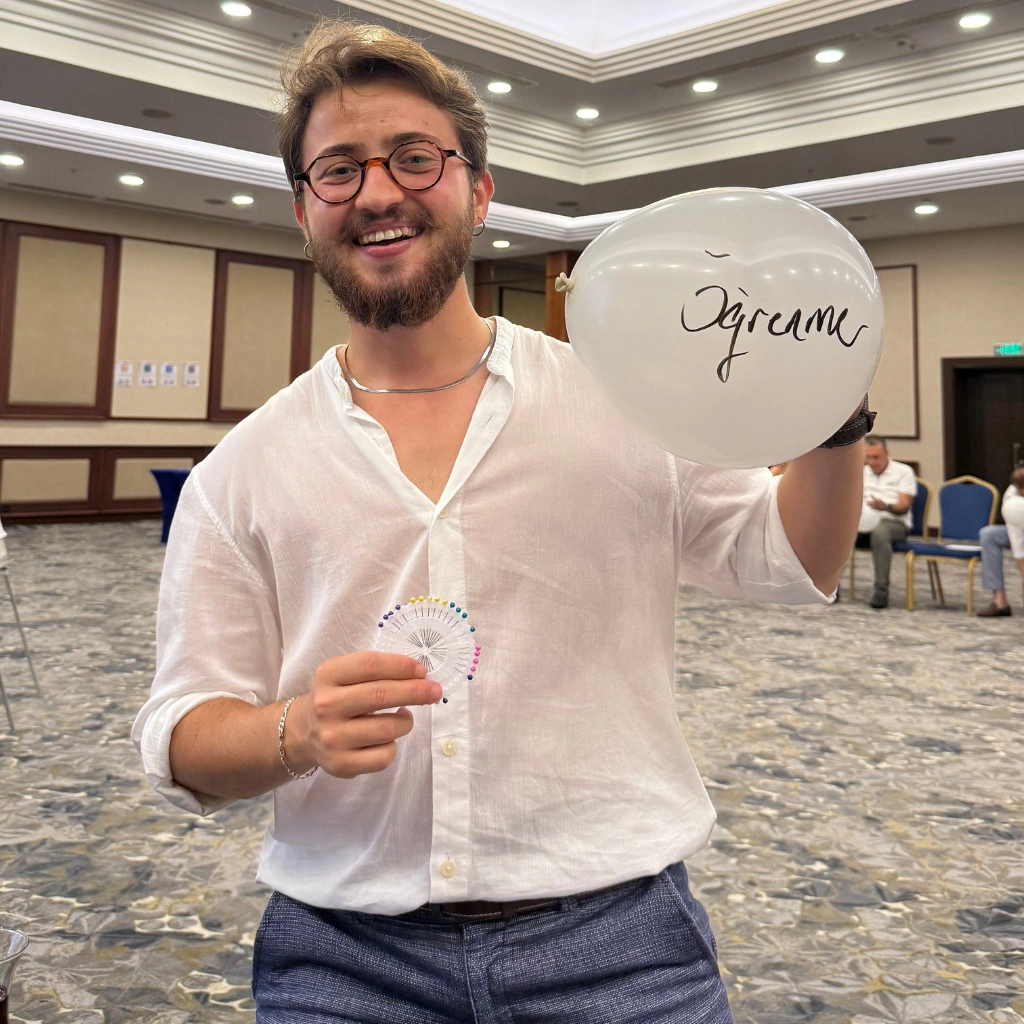
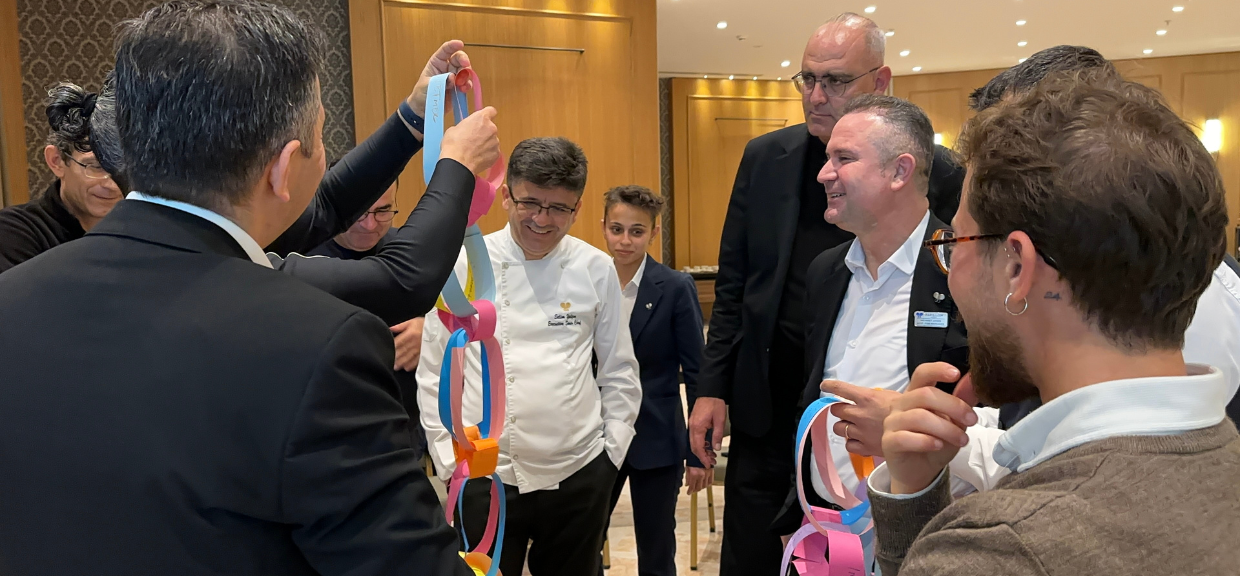
Footage from the Field