
Not Normalising a Toxic Organisational Culture
“Things are a bit tough here” sometimes packages up and normalises not only toughness, but also disrespect, ambiguity, favouritism and silence. This workshop helps HR and managers spot toxic patterns early, make visible the behaviours hiding behind the “good intentions” shield, and design clear boundaries and safe rhythms within the organisation.
Most human behaviour is learned by watching others (modelling). That is why culture spreads less through posters and more through everyday micro-behaviours.
300+ organisations and projects in 60+ countries
Organisations across automotive, logistics, pharmaceuticals, retail, education and luxury consumer goods, as well as universities and civil society organisations




















Delivery format
When Margaret Mead was asked what the first sign of civilisation was, she is said to have answered “a healed thigh bone”, because that bone shows someone was enough of a “we” to care for another. Organisational culture is much the same: can we build a system in which we heal each other, or do we dismiss the wound as “the nature of the job”?
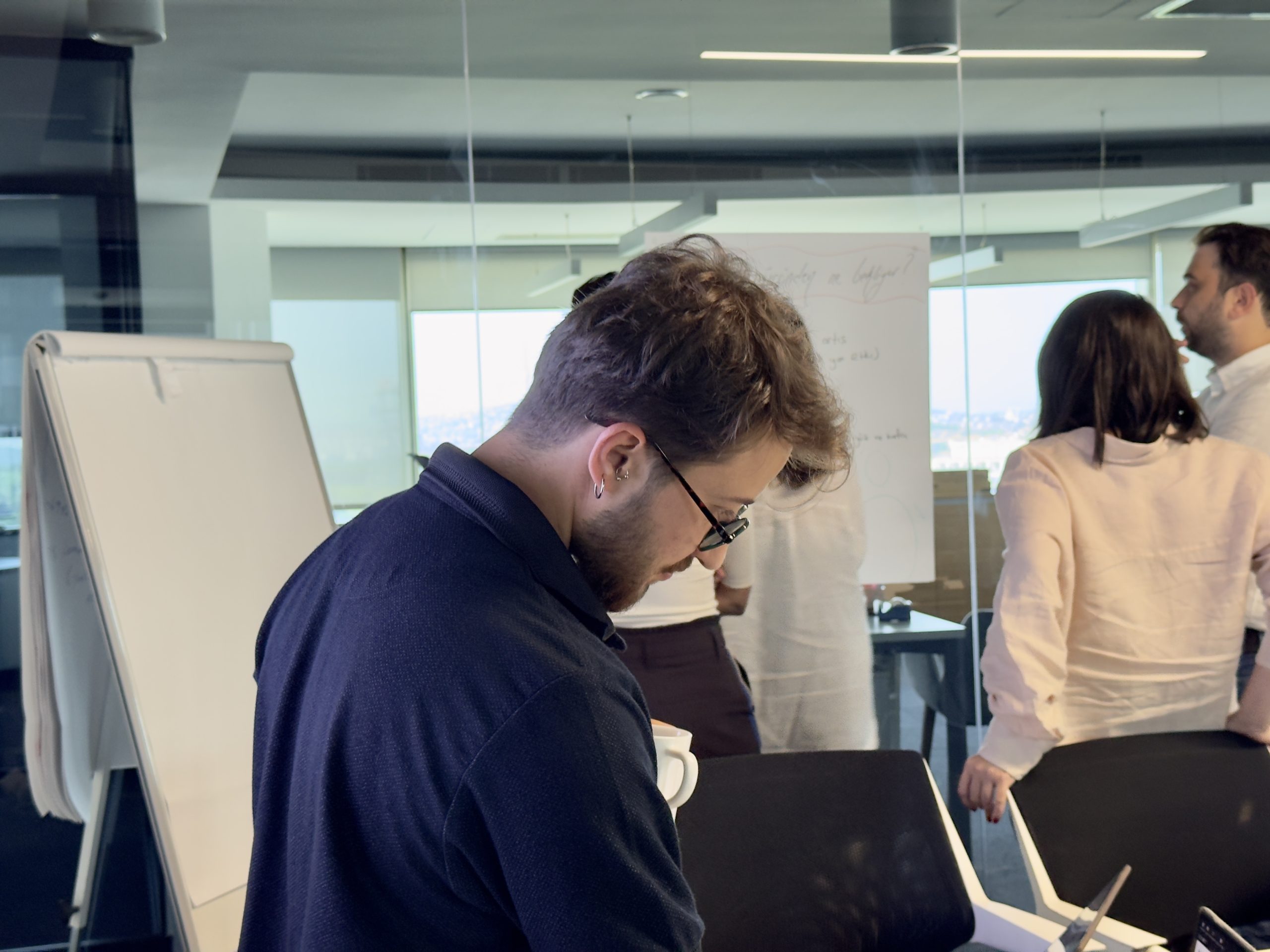
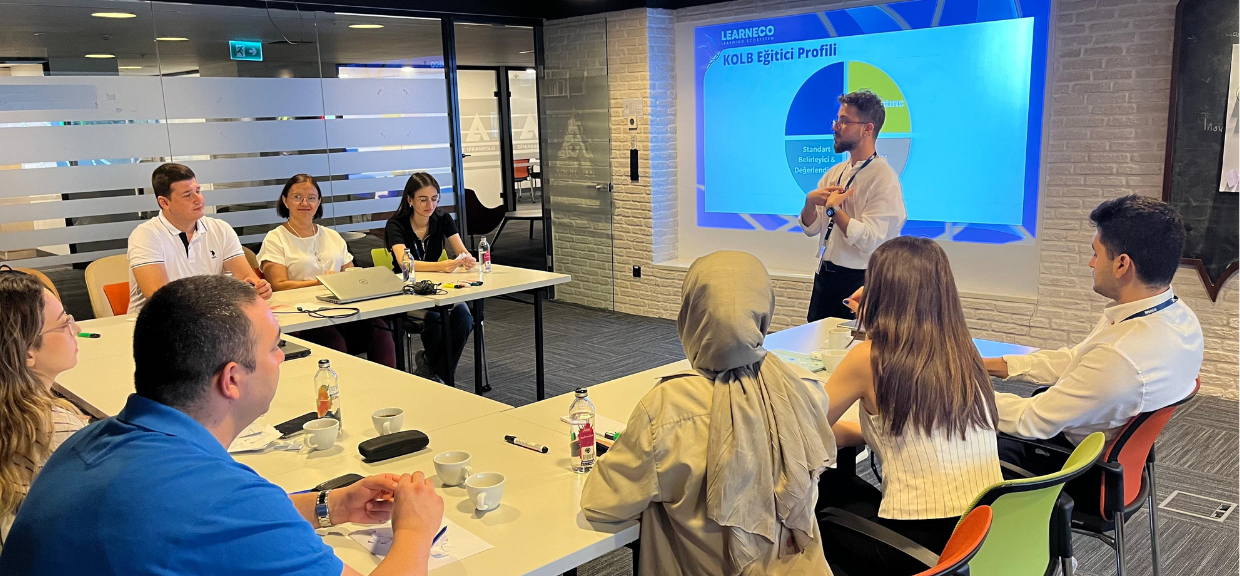
Format: 4 hours • In-person Workshop
Toxic behaviour rarely starts with a single “bad person”; leader–follower–environment it multiplies where these three come together and checks and balances weaken. In this workshop, we connect toxicity to the organisation’s daily practices and systems rather than reducing it to a “personality debate”.
Data note: Research shows that a “toxic culture” is a strong predictor of intention to leave, and that micro-behaviours such as disrespect and incivility can quickly erode performance and engagement. (Suggested reading: SHRM and
HBR).
Objective
To make visible the toxic patterns we consider “normal”, map risk areas at team and organisational level, and design concrete intervention rhythms with HR and leadership working together.
Learning Outcomes
- Define toxic culture across the layers of behaviour, system and relational climate .
- Analyse the conditions that feed toxicity using the “Toxic Triangle” (leader–follower–environment).
- Recognise early signs such as microaggressions, incivility, exclusion, favouritism and ambiguity.
- Use the “intent vs impact” distinction in feedback and boundary-setting language.
- Identify design flaws in HR processes (onboarding, performance, internal communication, grievance channels) that increase toxicity.
- Design a practical 30-60-90 day intervention plan and team rhythms (meetings, feedback, decision transparency).
Other trainings you may be interested in
Building Diversity, Equity and an Inclusive Culture
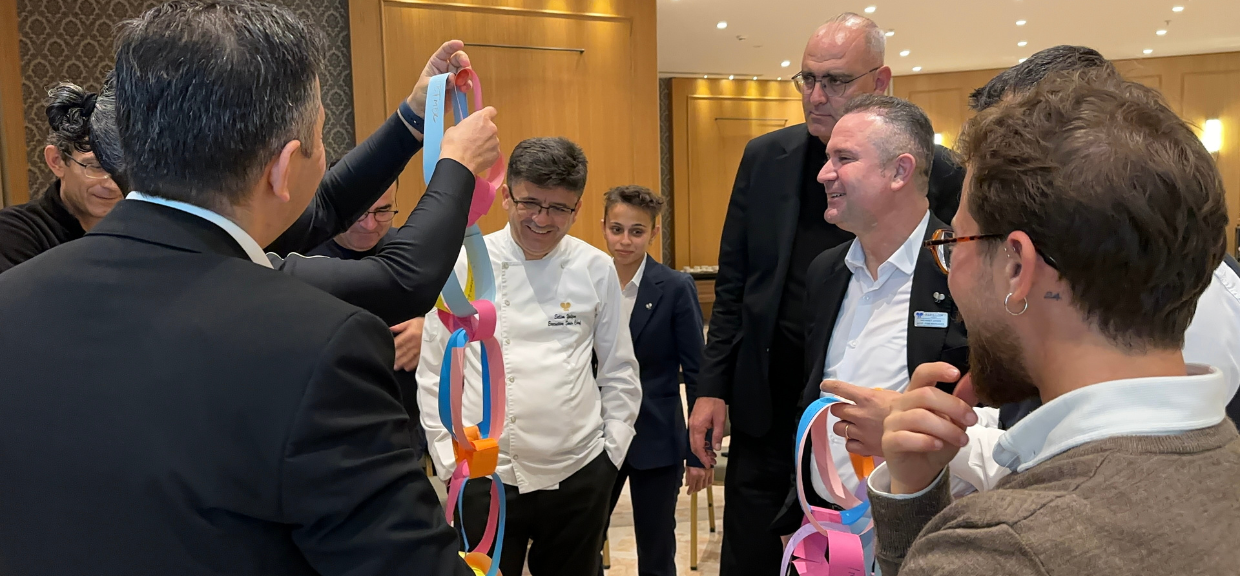
A workshop design linking HR processes to inclusion across the employee life cycle.
Unconscious Bias: Who We Exclude Without Thinking
Practices and system recommendations that make the automatic judgements lowering decision quality visible.
Trauma-Informed Leadership
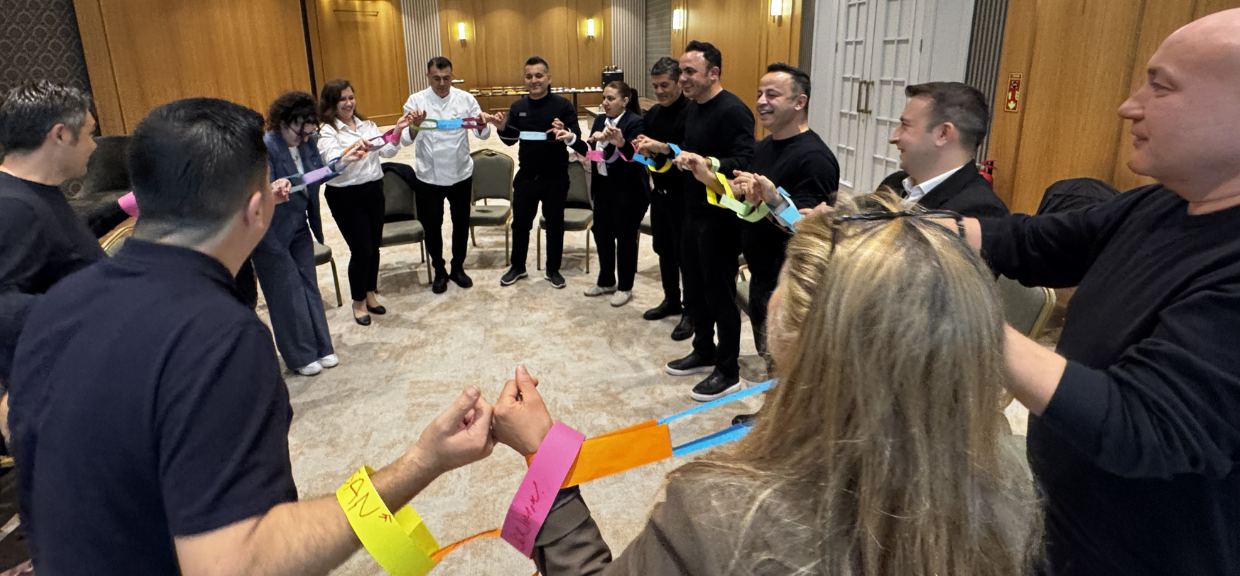
Strengthening leadership routines through trust, regulation and inclusive communication.
Related articles

Toxic Organisational Culture
A framework explaining how toxicity is “learned” and why it is so easily normalised.

Building a Trauma-Informed Organisational Culture
Core principles for a “healing culture” built on safety, transparency and boundaries.
Transforming a Toxic Organisational Culture
A “transformative” approach to the toxic triangle: addressing leadership, followership and environment together.
Frequently asked questions
Who is this training for?
Designed for managers, team leaders, field supervisors and HR/OD/EX teams. The greatest impact is seen in teams facing high workload, rapid growth, uncertainty, heavy feedback traffic or “going silent”.
Is the training adapted to our organisation?
Yes. A short needs call clarifies the sector, team structure, critical processes (performance, promotion, grievances) and sample scenarios; cases and simulations are adapted to the organisational context.
Do we get concrete outputs after 4 hours?
Yes. Participants leave with a “risk map” and a 30-60-90 day intervention plan (rhythms, owners, early signals). If you wish, a mini process-integration session with HR (onboarding, performance, internal communication) can be added.
Can reinforcement be provided after the training?
Optionally, a follow-up plan can be added to support the move to behaviour, with micro-content, short reminders, a 2-week mini check-in and “incident-based” case clinics.
Let's start planning
Let's define the participant profile (mix of managers and HR), internal examples and the 4-hour delivery flow to fit your organisation's needs.