
Inclusive Leadership: Making space, giving voice, stepping back
Inclusive leadership is more than “letting everyone speak”: it requires noticing who speaks more, who can take fewer risks and in which decision moments voices get lost. This workshop makes the practices of making space (building safe ground), giving voice (equalising participation) and stepping back (reducing micromanagement) practical by connecting them to team rhythms.
Behavioural science note: As status differences grow, teams can slide more quickly into “deference to authority”. The leader's job is not to increase compliance but to make safe dissent possible.
300+ organisations and projects in 60+ countries
Organisations across automotive, logistics, pharmaceuticals, retail, education and luxury consumer goods, as well as universities and civil society organisations


























Delivery format
Format: 1 day • Workshop
This workshop aims to help managers move inclusion from “intention” to behaviour in critical moments such as decision-making and team communication. The content is adapted to the team context, role realities and risk areas.
To adapt the manager's role of “making space, giving voice, stepping back” to the team's reality; make visible the impact of power and role dynamics on decision quality and psychological safety; and connect leadership behaviours to team rhythms.
Content
- Power, status and the “who speaks, who stays silent?” map
- Making space: building safe ground, clarity and boundaries
- Giving voice: equalising participation, making invisible contributions visible
- Stepping back: micromanagement, decision load and the “illusion of control”
- Meeting design: practices for asking questions, disagreeing and reporting mistakes
- Fair decisions: separating data from interpretation and intent from impact, keeping records
- Difficult conversations: feedback, regulating tension, repair
- Assess the power and status dynamics that shape how voice is distributed in the team.
- Choose concrete leadership behaviours for “making space” and integrate them into teams.
- Use a set of questions and facilitation moves that equalise participation to “give voice”.
- Design role clarity and a decision protocol that reduce micromanagement through “stepping back”.
- Create a practical inclusive leadership micro-practice plan for their own team.
Adaptation: The workshop works with participants' real cases and decision examples (field, operations, white-collar).
Other trainings you may be interested in
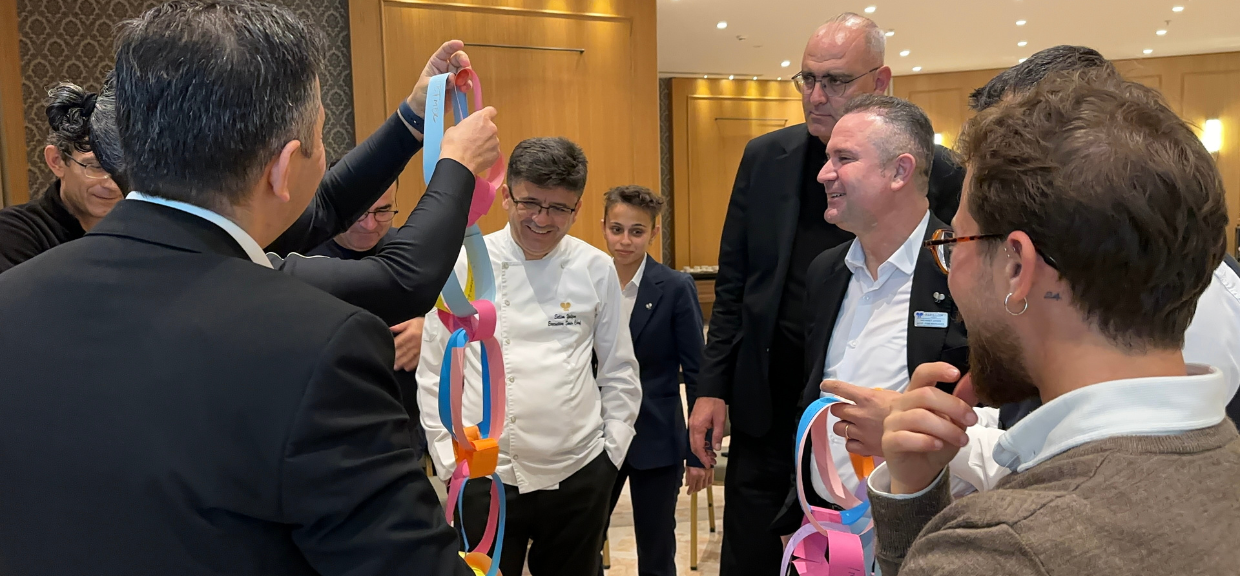
Inclusive Communication & Collaborative Workplace Culture
Methods that make everyday language, meetings and feedback practices clearer and safer.
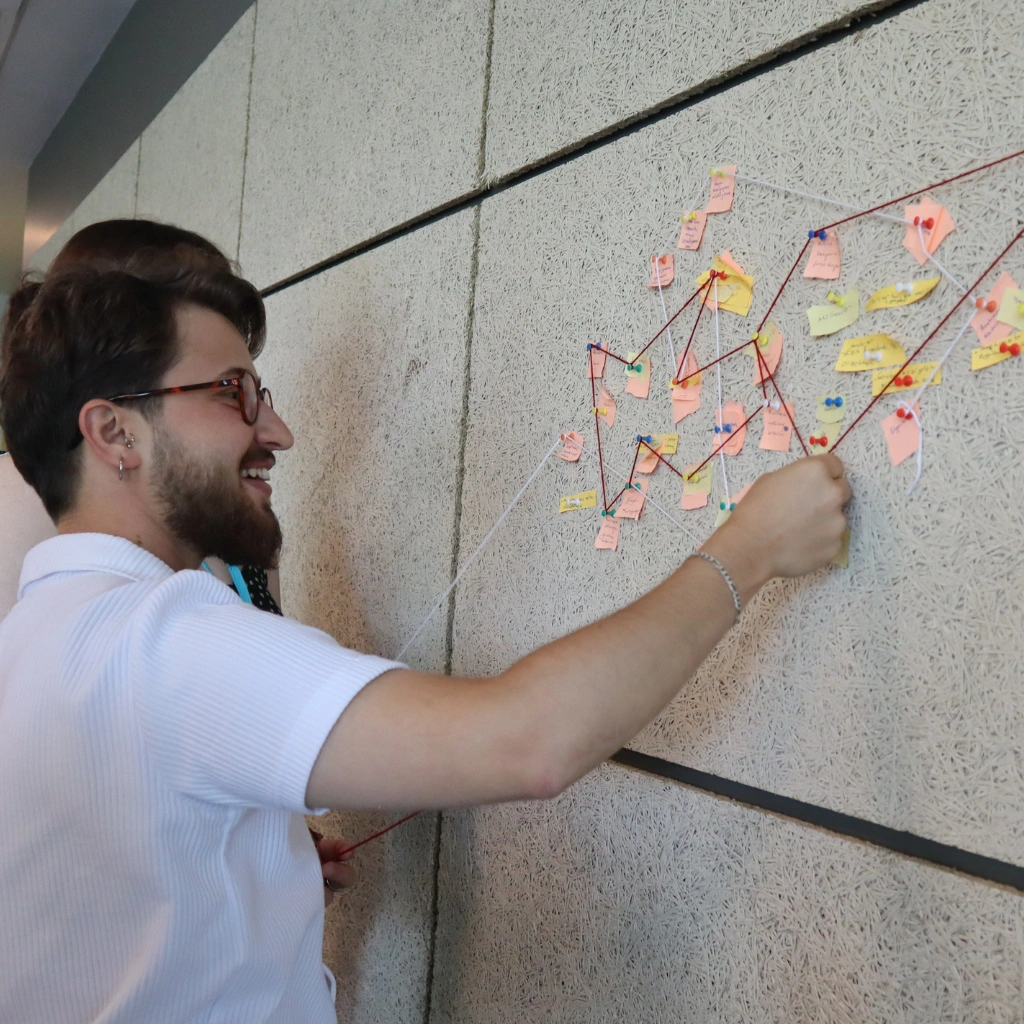
Psychological Safety: Are Healing Organisations Possible?
Team rhythms that reduce the culture of silence, and organisational resilience practices.
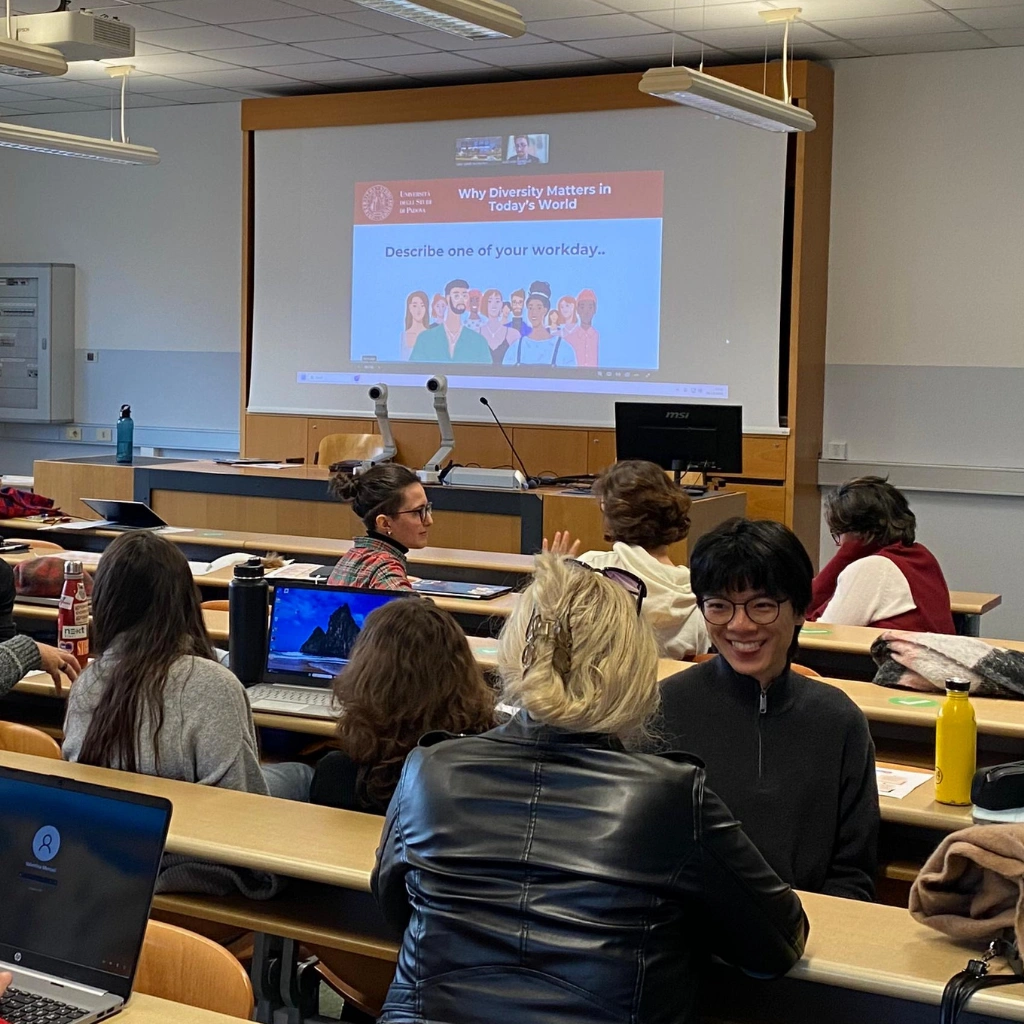
Neurodiversity at Work
Inclusive ways of working that reduce misunderstandings and strengthen processes.
Frequently asked questions
Who is this workshop for?
Suitable for managers, team leaders, field supervisors, project and operations leads, and HR/OD teams. The content is adapted to leadership scope and team realities.
Why does this training matter?
Inclusive leadership is one of the leadership skills that modern organisations need most. It aims to equalise participation and improve decision quality while keeping clear expectations of clarity, accountability and performance. It is not about “pleasing everyone” but about making safe dissent possible.
How is the training adapted to the organisation?
A 30-minute needs call clarifies critical decision moments, sample scenarios and participant profiles. Cases and practices are then revised to fit the organisational context.
Are there concrete outputs at the end of the workshop?
In practice, clear implementation steps are defined in areas such as team rhythms, question sets and leadership micro-practices. Outputs are structured together according to the organisation’s needs.
Let's start planning
Let's shape the 1-day workshop (in person / hybrid) to fit your organisation's needs.