
Neurodiversity at Work
Neurodiversity holds that different neurological functioning, such as autism, ADHD, dyslexia or dyscalculia, is not a “deficit” but a different cognitive profile. At work, the real issue is not “good intentions”; it is designing expectations, communication and processes so that they work for everyone. This training makes neurodiversity visible and strengthens, together with teams, the practices that reduce misunderstandings and support performance.
A brief note from anthropology: “Normality” is often cultural rather than biological. Behaviours labelled “misfit” at work are often talents placed in the wrong context.
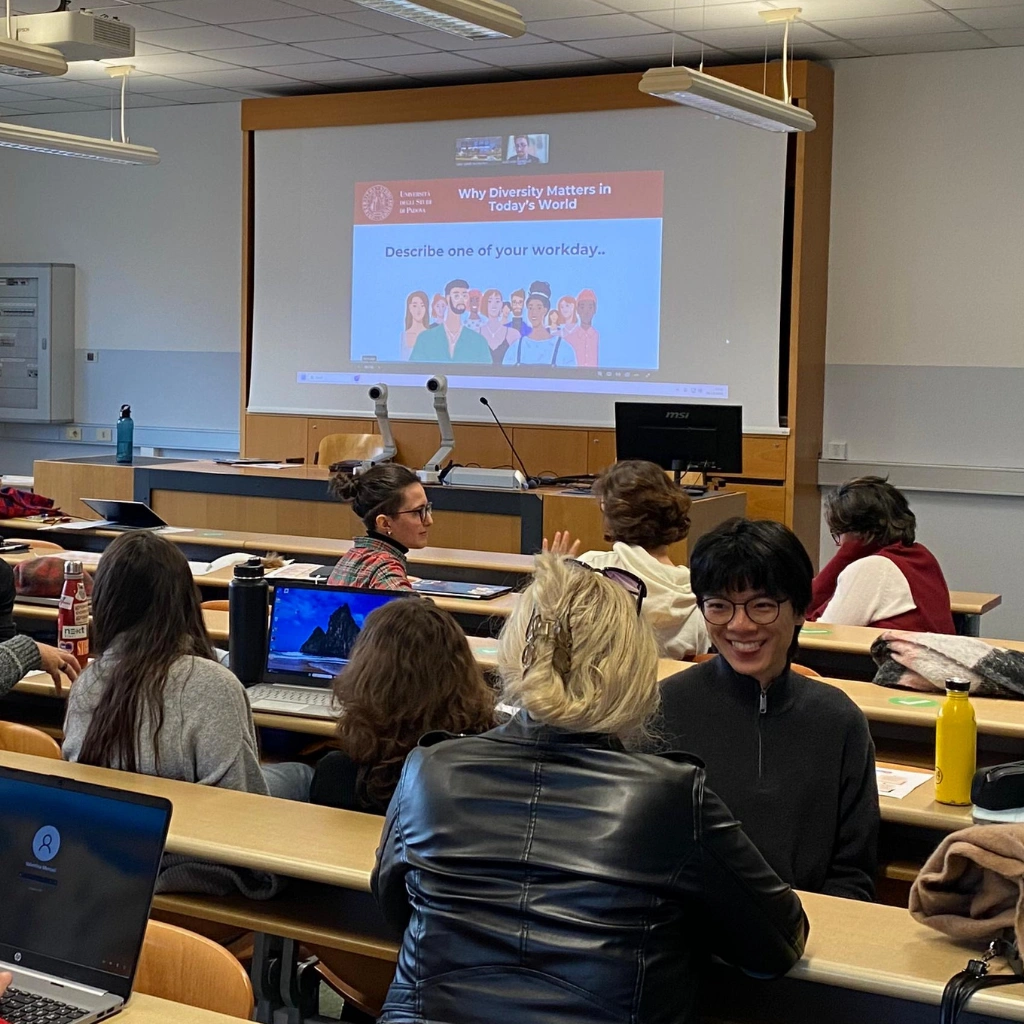
300+ organisations and projects in 60+ countries
Organisations across automotive, logistics, pharmaceuticals, retail, education and luxury consumer goods, as well as universities and civil society organisations


























Delivery format
Format: Seminar • Workshop
Objective
To build an accurate set of concepts on neurodiversity and show that many situations seen as “performance problems” may in fact be mismatches in communication, expectations or environment.
Learning Outcomes
- Explain neurodiversity and its impact in the workplace.
- Distinguish common myths and notice mistaken attributions of intent.
- Identify triggers in the workflow that create challenges for neurodivergent people.
- Analyse environment–process mismatches in examples.
- Choose 3 practical micro-improvements for their team.
Objective
To co-design neurodiversity inclusion practices that reduce misunderstandings in the team, clarify ways of working and support psychological safety.
Learning Outcomes
- Analyse the behaviour–need–environment relationship in cases.
- Design neurodiversity-friendly meetings.
- Set clarity standards for delegating and following up on tasks.
- Use clear yet respectful feedback language that supports regulation.
- Write a “Neurodiversity Inclusion Mini-Plan” suited to the organisation.
Note for organisations: This training does not include diagnosis or clinical assessment. Its focus is strengthening both productivity and wellbeing through work design, clear communication and inclusive processes.
Other trainings you may be interested in
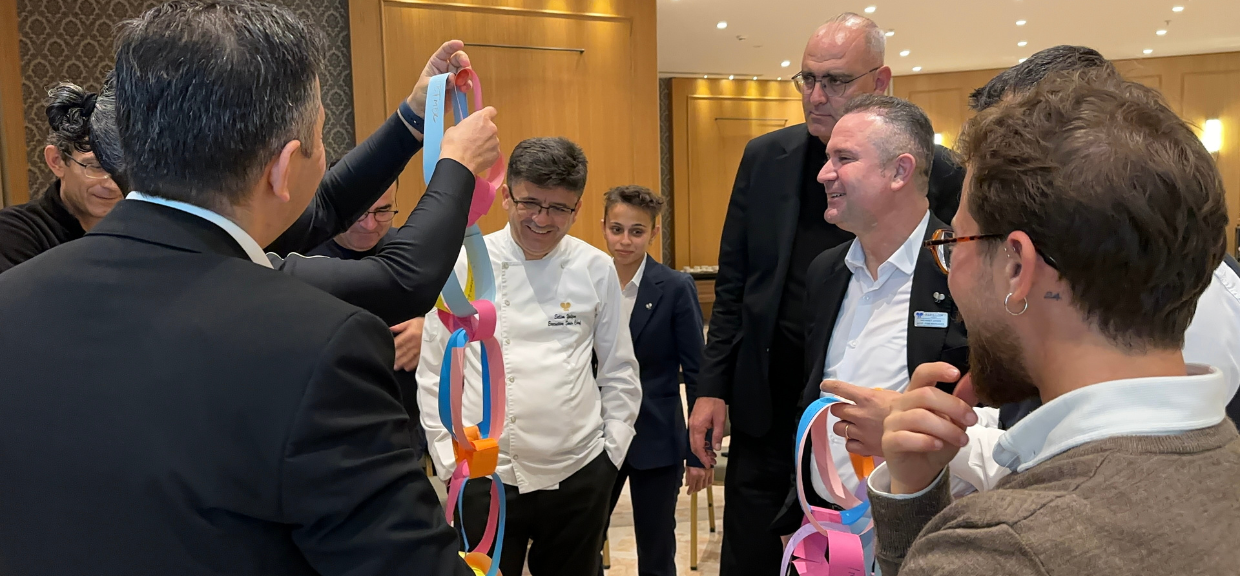
Inclusive Communication & Collaborative Workplace Culture
Practices that make everyday communication clear, respectful and inclusive.
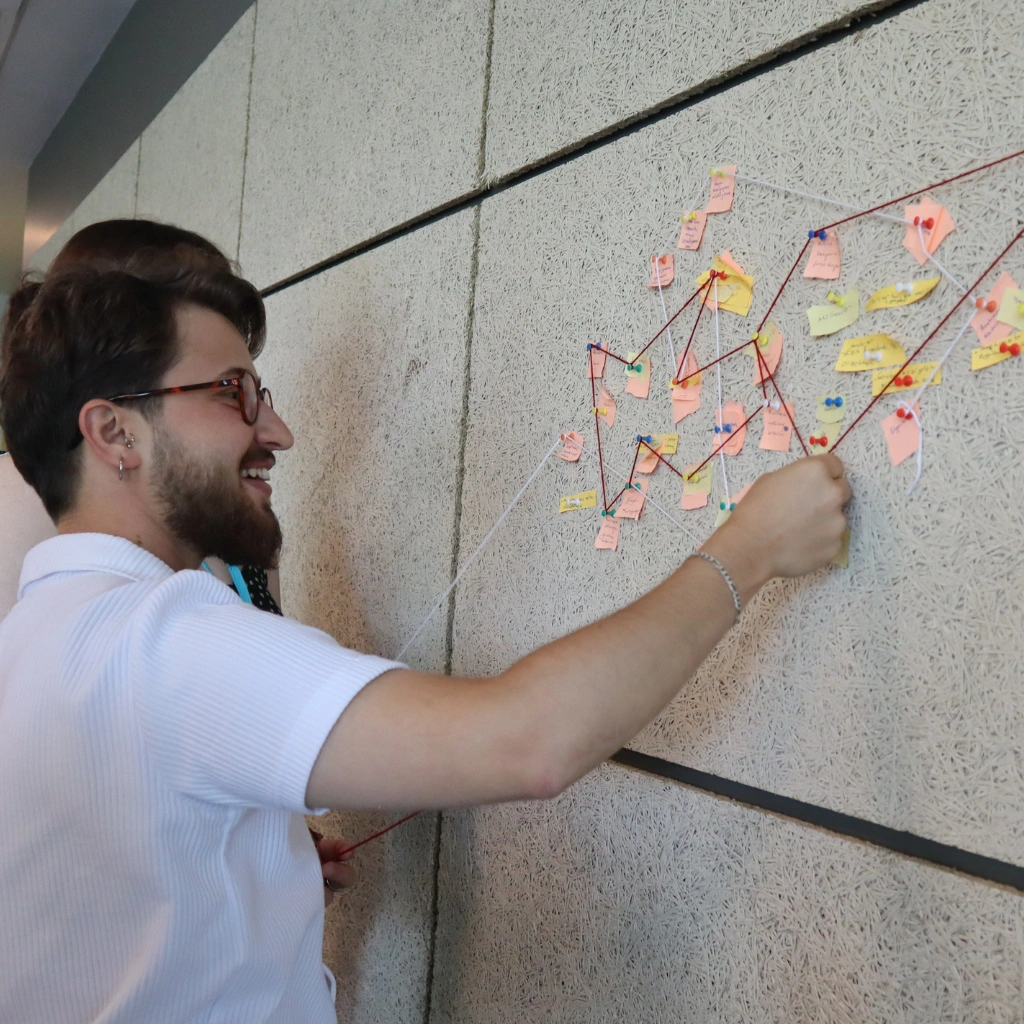
Unconscious Biases: What We Exclude Without Thinking
A practical approach that makes bias mechanisms visible and improves decision quality.

Inclusive Leadership: Make Space, Amplify Voices, Step Back
Fair and consistent leadership behaviours in decision-making, performance and team management.
Frequently asked questions
Which profiles does neurodiversity cover?
Common examples include autism spectrum, ADHD, dyslexia/dyscalculia and Tourette syndrome. The training focuses on function, needs and work design rather than “diagnosis”.
Do adjustments create “special treatment”?
Well-designed adjustments usually clarify how the whole team works (universal design). The aim is not special treatment but clarity, accessibility and sustainable performance.
How is the training adapted to the organisation?
A 30-minute needs call clarifies target behaviours, sample scenarios and participant profiles. The content and delivery plan are then revised to fit the organisational context.
Is this a clinical training? Does it diagnose?
No. The training does not include diagnosis or clinical assessment. Its focus is improving functioning through process design, clear communication and inclusive practices.
Let's start planning
Let's define the duration (90 min / 3 hours) and delivery format (online / in person / hybrid) that fit your organisation's needs.