
Your trainers are subject experts, but training design is new to them
They know how to prepare a presentation; designing participation, interaction and learning is a different skill.
Train the trainersis a learning process that builds the knowledge, skills and attitudes a trainer needs.
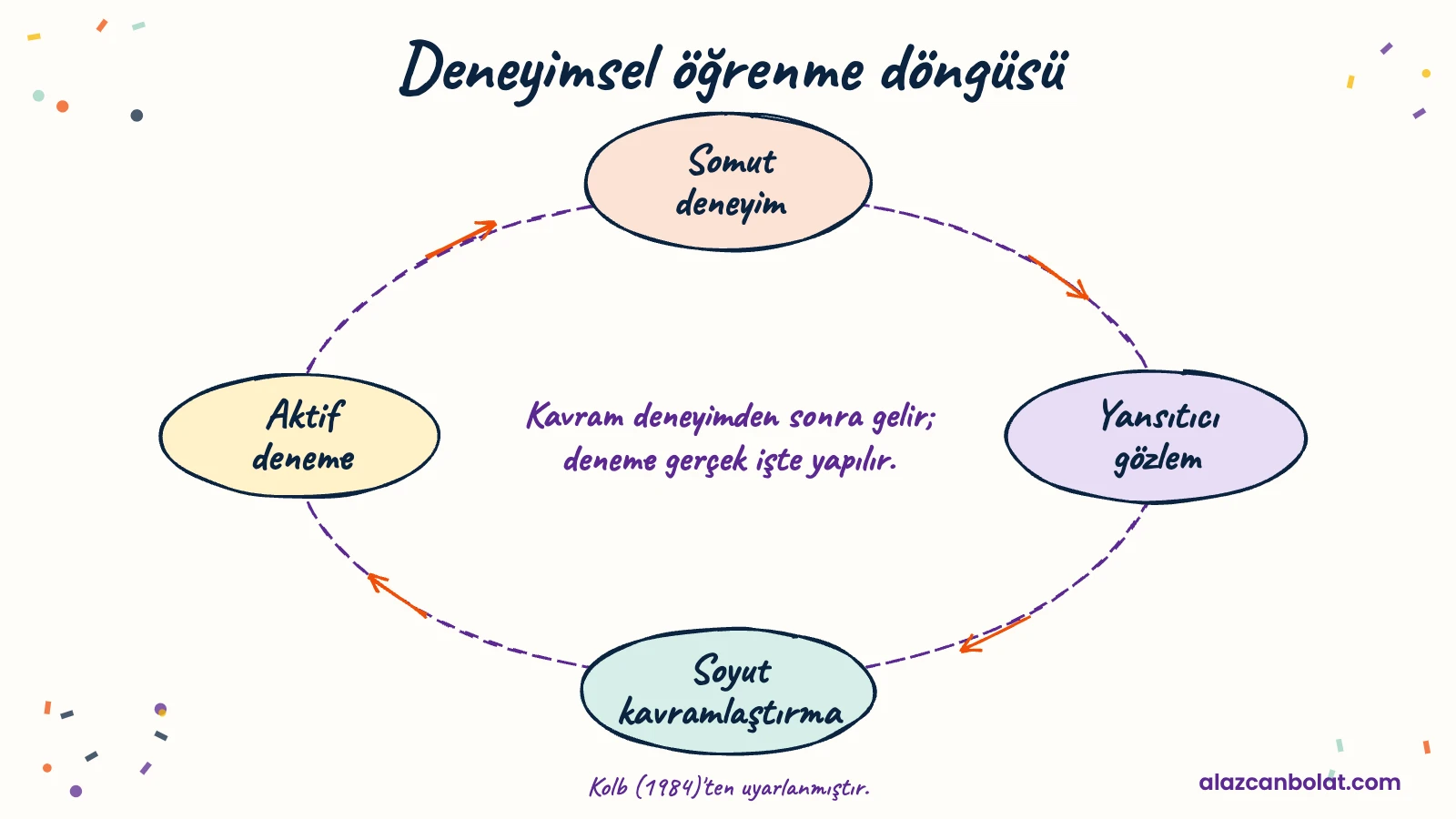
Participants apply adult learning principles, the experiential learning cycle and the follow-up steps that link training to behaviour to their own trainings. To date, I have designed and delivered more than 150 train-the-trainer programmes.
Three things a trainer needs
How do adults learn, and how does learning last?
Designing experiences, facilitating, leading reflection
Putting the learner at the centre, making room for different needs
300+ organisations and projects in 60+ countries
Organisations across automotive, logistics, pharmaceuticals, retail, education and luxury consumer goods, as well as universities and civil society organisations















They know how to prepare a presentation; designing participation, interaction and learning is a different skill.
Participants leave happy; a few weeks later it’s hard to say what changed at work.
Cameras off, few questions; there is content but no interaction.
You are looking for a shared design language and quality standard for your trainer pool.
Who takes part? In-house trainers, technical experts and managers who deliver training, HR and L&D teams.
Participants complete the programme by working on a training they deliver; by the end of each module that training has been redesigned a little more.
Adult learning principles and the experiential learning cycle.
Output: a training flow re-sequenced along the cycle.
Needs analysis, empathy map and learner persona.
Output: a target behaviour statement.
Cases, role plays, simulations and gamification; online adaptation.
Output: one experiential activity design.
Supporting participation, handling difficult moments, leading reflection.
Output: a practice rehearsal and peer feedback.
Transfer, spaced repetition, manager support and behaviour measurement.
Output: a 30-day follow-up plan.
Explore the model on the Learning Ecosystem page, and download the After-Training 30-Day Checklist for free.
In a 30-minute discovery call, let’s discuss your trainer profile, the trainings delivered and the quality standard you are aiming for, and tailor the programme accordingly.