
Inclusive Communication and a Conflict-Free Work Culture
Most workplace conflicts stem not from “intent” but from perception and communication styles. Social psychology and communication theory show that how a message is perceived matters more than how it is delivered. By strengthening inclusive communication skills, this training aims to transform conflict rather than suppress it, and to create safe spaces for dialogue without singling anyone out.
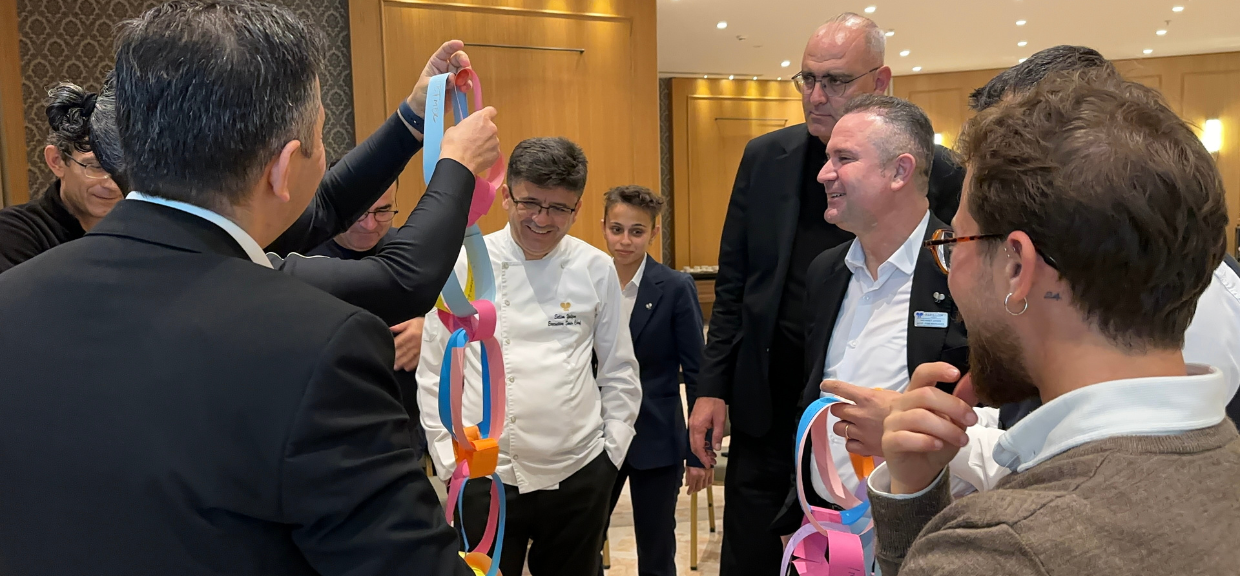
300+ organisations and projects in 60+ countries
Organisations across automotive, logistics, pharmaceuticals, retail, education and luxury consumer goods, as well as universities and civil society organisations


























Delivery format
Format: Seminar • Workshop • Training
Objective
To make the core principles of inclusive communication visible and raise awareness of the communication patterns that trigger conflict in everyday work.
Learning Outcomes
- Define the core concepts of inclusive communication (language, tone, framing, micro-behaviours).
- Explain the roots of conflicts based on cultural communication and ways to resolve them.
- Analyse their own communication style and identify opportunities to make it more inclusive.
- Integrate inclusive communication and feedback methods into everyday work.
Objective
To develop inclusive communication skills through practice and experience conflict transformation techniques.
Learning Outcomes
- Define the principles of inclusive communication and understand their role in the workplace.
- Analyse their own communication style and identify opportunities to make it more inclusive.
- Apply inclusive communication skills to prevent and resolve conflicts.
- Review current practices and develop strategies to make workplace communication processes more inclusive.
Objective
To make an inclusive communication culture systematic within the organisation and move conflict management from an individual skill to an organisational practice.
Learning Outcomes
- Distinguish types of conflict (value-, role-, communication- and power-based) and carry out root-cause analysis.
- Apply a non-judgemental feedback model (structured methods such as situation–behaviour–impact).
- Use inclusive and coaching-style communication techniques in practice.
- Create an inclusive communication plan tailored to the organisation.
- Develop emotional regulation and framing skills in conflict situations.
Other trainings you may be interested in
Unconscious Bias
Practices that make automatic judgements visible and improve decision quality.
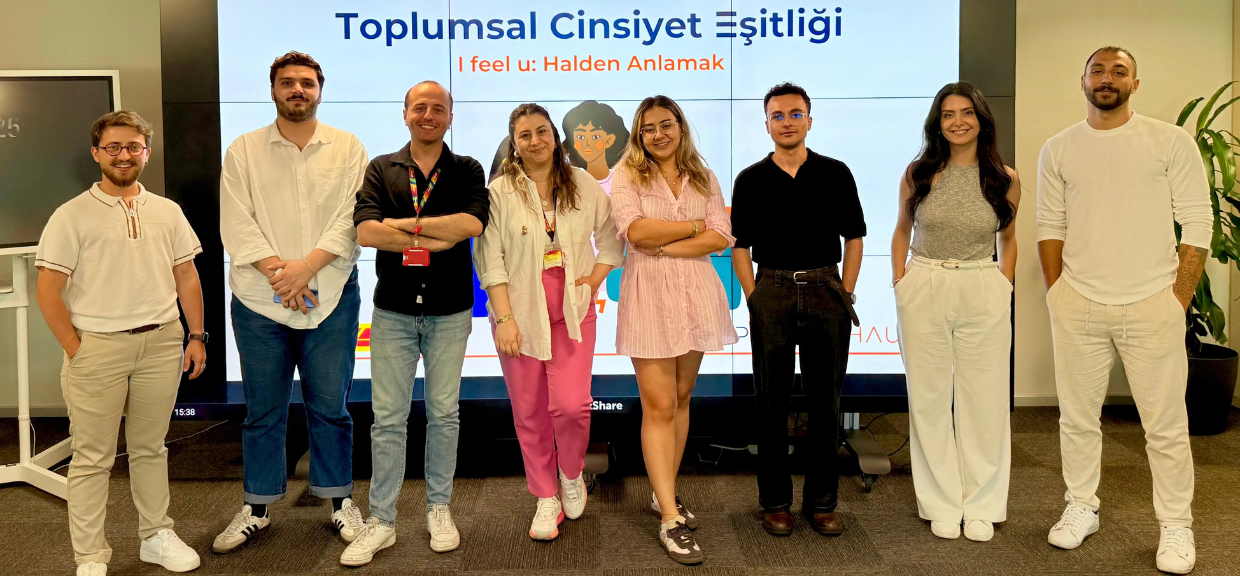
Gender Equality and an Inclusive Working Environment
Strengthening an inclusive climate through equality practices, language and behaviour standards.
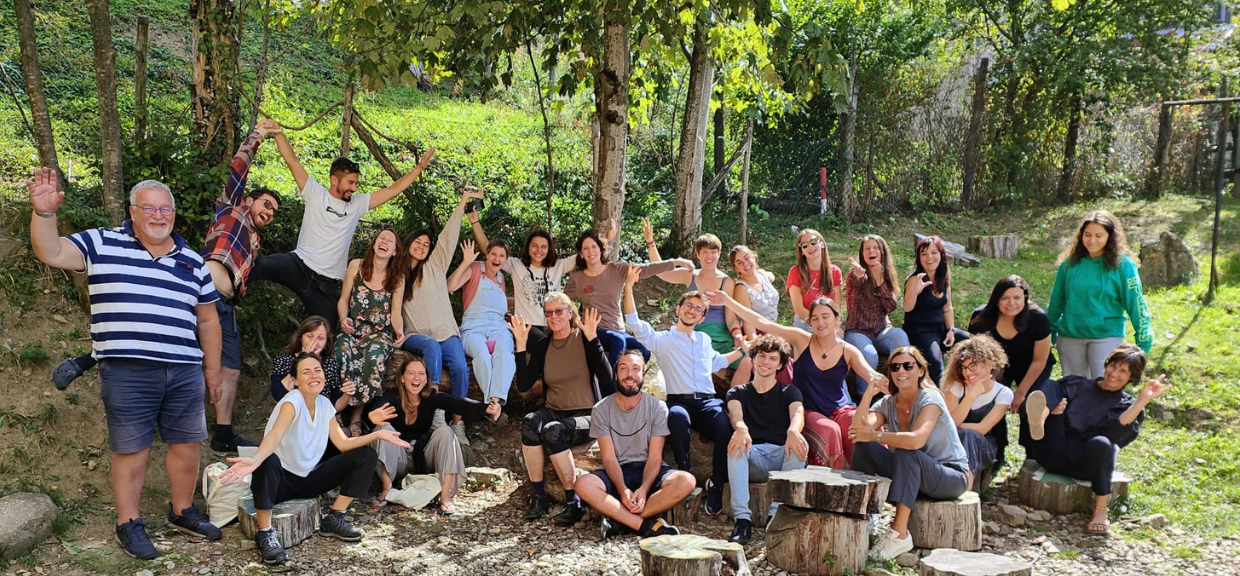
Intergenerational Communication
Team practices that reduce false assumptions and build a shared language and collaboration.
Frequently asked questions
Which teams should this training prioritise?
It has high impact for decision- and problem-focused teams in every sector (leadership, HR, recruitment, performance, customer and operations teams). The format is adapted to roles and risk areas.
How is interaction ensured in online and hybrid delivery?
Every format is built on content grounded in experiential learning methodology. Physical games and activities are adapted for digital delivery, and participation and learning are made visible through group work, semi-structured brainstorming and coaching-based tools. In hybrid delivery, pre-learning and follow-up steps are added.
How is the training adapted to the organisation?
A 30-minute needs call clarifies target behaviours, sample scenarios and participant profiles. The content and delivery plan are then revised to fit the organisational context.
How are impact and outcomes tracked?
In longer or modular programmes, micro-assignments and a follow-up plan are designed with concrete indicators based on tracking and measurement metrics.
Let's start planning
Let's define the duration (90 min / 3 hours / 1 day) and delivery format (online / in person / hybrid) that fit your organisation's needs.