
Gender Equality and an Inclusive Work Environment
Gender-based discrimination rarely appears as open exclusion; it usually operates through small assumptions, role expectations and language patterns embedded in decision-making. That is why making it visible starts with understanding the system, not with looking for someone to blame. Research shows that inclusive cultures significantly increase employee engagement and the capacity to innovate. In teams with high psychological safety, people share more ideas, take risks more comfortably and perform better.
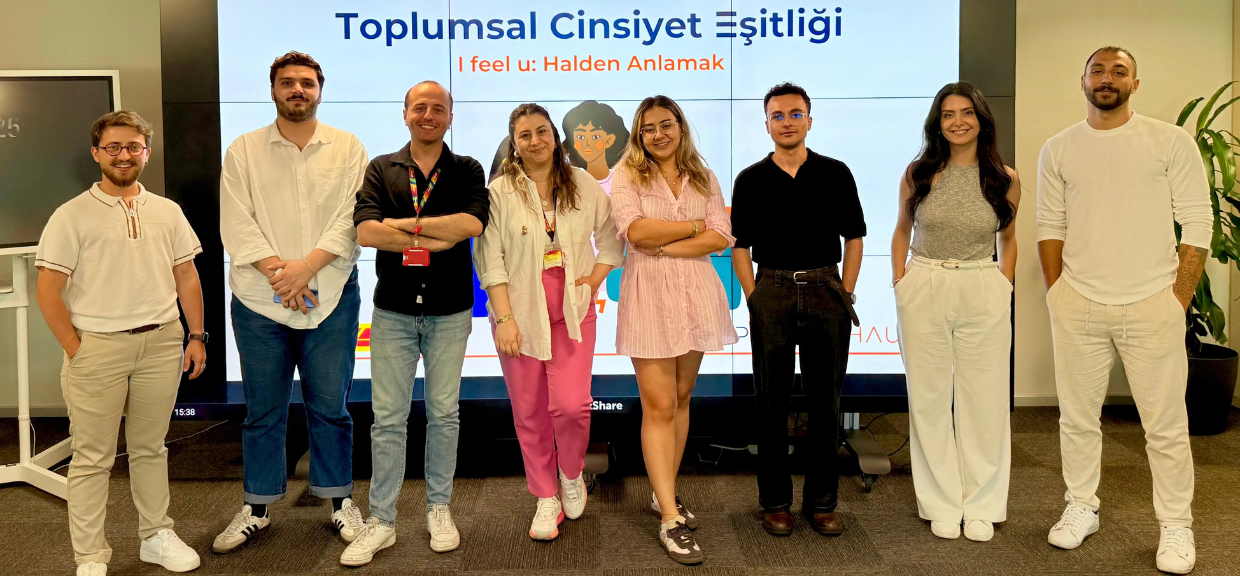
300+ organisations and projects in 60+ countries
Organisations across automotive, logistics, pharmaceuticals, retail, education and luxury consumer goods, as well as universities and civil society organisations


























Delivery format
Format: Seminar • Workshop • Training
Objective
To build a shared conceptual framework and make the link between gender equality and business outcomes visible.
Learning Outcomes
- Distinguish between gender, gender roles and norms.
- Identify microaggressions.
- Identify patterns of gender-based inequality in working life.
- Interpret the role of belief systems, cultural codes and social learning in the formation of bias.
Objective
To develop behaviour-level awareness and help participants design inclusive practices within their teams.
Learning Outcomes
- Explain patterns of gender-based inequality in working life.
- Relate the concepts of the glass ceiling, the sticky floor and the second shift to organisational processes.
- Identify the intermediate and core beliefs that create gender inequality in the mind.
- Distinguish inclusive language practices.
Objective
To systematically integrate gender equality into decision-making and build sustainable mechanisms for an inclusive culture.
Learning Outcomes
- Gain a solid grasp of gender equality concepts.
- Analyse, through case studies, at which stage gender inequality comes into play.
- Relate a gender equality perspective to the organisation's policies, processes and leadership practices.
- Learn inclusive practices on gender equality from Türkiye and around the world.
- Create a strategic plan to build a safe and inclusive space for dialogue within the team.
Other trainings you may be interested in
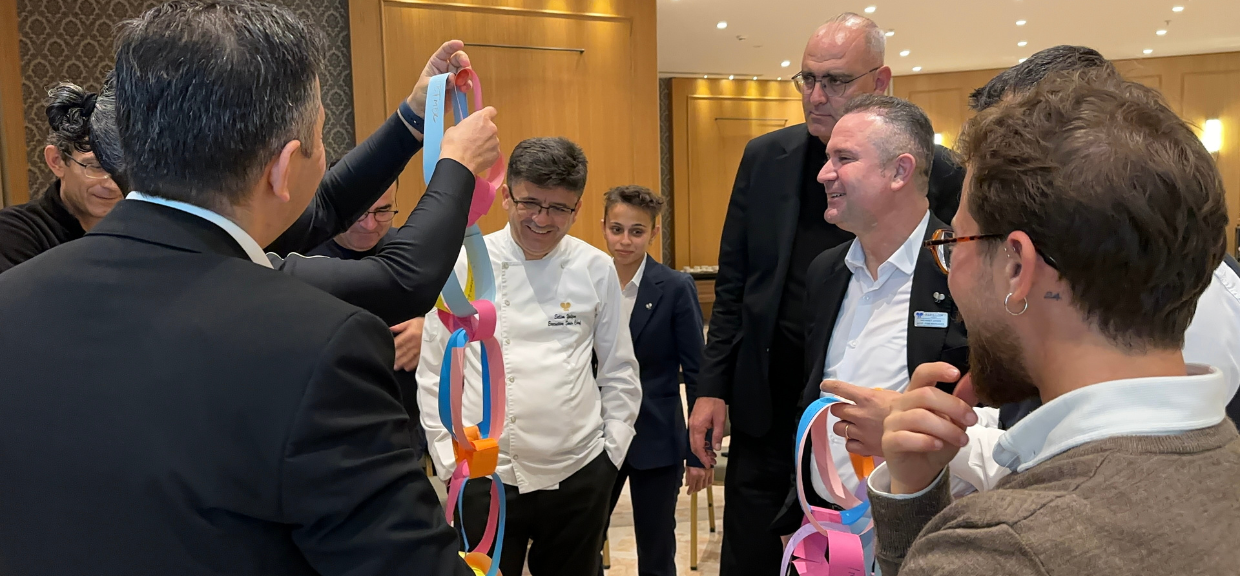
Unconscious Bias
Practices that make automatic judgements visible and improve decision quality.
Gender Equality and an Inclusive Working Environment
Strengthening an inclusive climate through equality practices, language and behaviour standards.
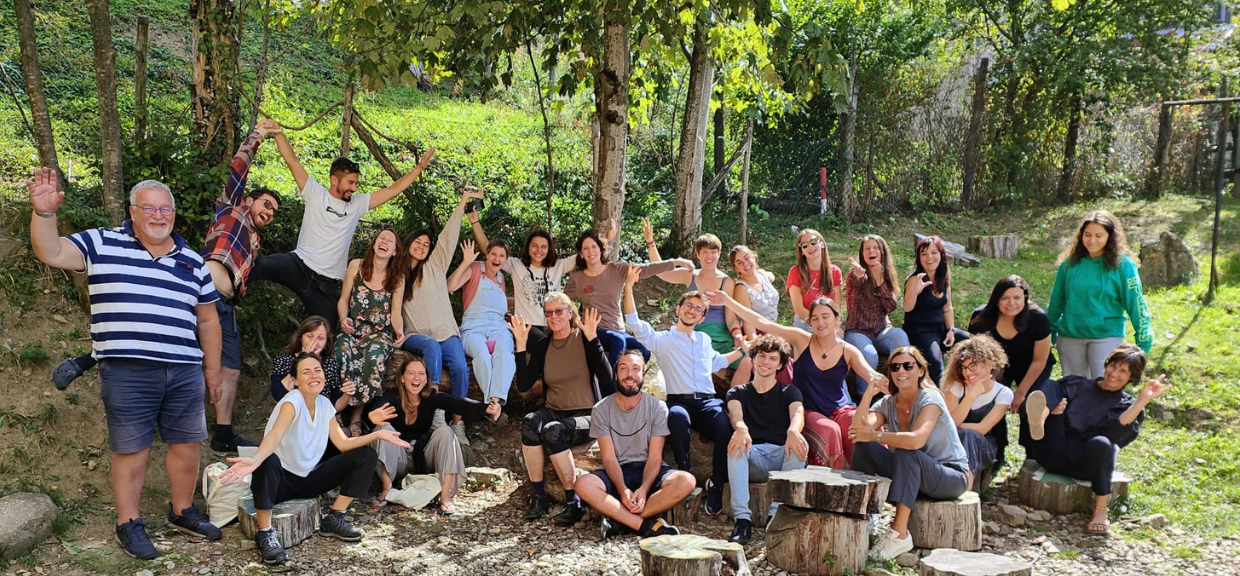
Intergenerational Communication
Team practices that reduce false assumptions and build a shared language and collaboration.
Related articles
You can use these articles for “micro-reinforcement” in internal communication after the training.
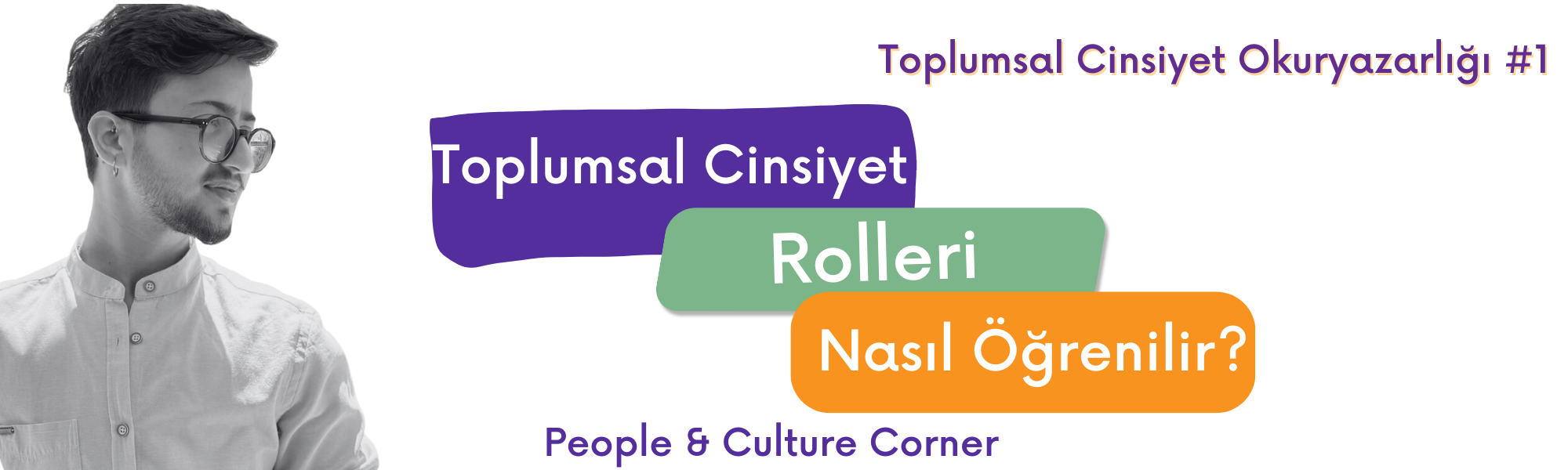
How Are Gender Roles Learned?
Patterns reflected in working life through role learning, norms and socialisation.

DEI in Organisations
Moving DEI from rhetoric to systems: processes, culture and sustainability.

The Bystander Effect at Work
The “if no one said anything, there is no problem” trap: the mechanism of silence and normalisation.
Frequently asked questions
Which teams should this training prioritise?
It has high impact for decision- and problem-focused teams in every sector (leadership, HR, recruitment, performance, customer and operations teams). The format is adapted to roles and risk areas.
How is interaction ensured in online and hybrid delivery?
Every format is built on content grounded in experiential learning methodology. Physical games and activities are adapted for digital delivery, and participation and learning are made visible through group work, semi-structured brainstorming and coaching-based tools. In hybrid delivery, pre-learning and follow-up steps are added.
How is the training adapted to the organisation?
A 30-minute needs call clarifies target behaviours, sample scenarios and participant profiles. The content and delivery plan are then revised to fit the organisational context.
How are impact and outcomes tracked?
In longer or modular programmes, micro-assignments and a follow-up plan are designed with concrete indicators based on tracking and measurement metrics.
Let's start planning
Let's define the duration (90 min / 3 hours / 1 day) and delivery format (online / in person / hybrid) that fit your organisation's needs.