Unconscious Bias: Who We Exclude Without Thinking
Unconscious biases often lower decision quality and weaken inclusion, regardless of intent. This training offers a practical system that turns awareness into behaviour through experiential learning and learning ecosystem design. With seminar, workshop and full-day options, it produces measurable outcomes and a transfer plan tailored to your needs. Rather than leaving awareness at the “presentation” level, it is built with a learning ecosystem design approach that connects it to decision-making, communication and performance practices.
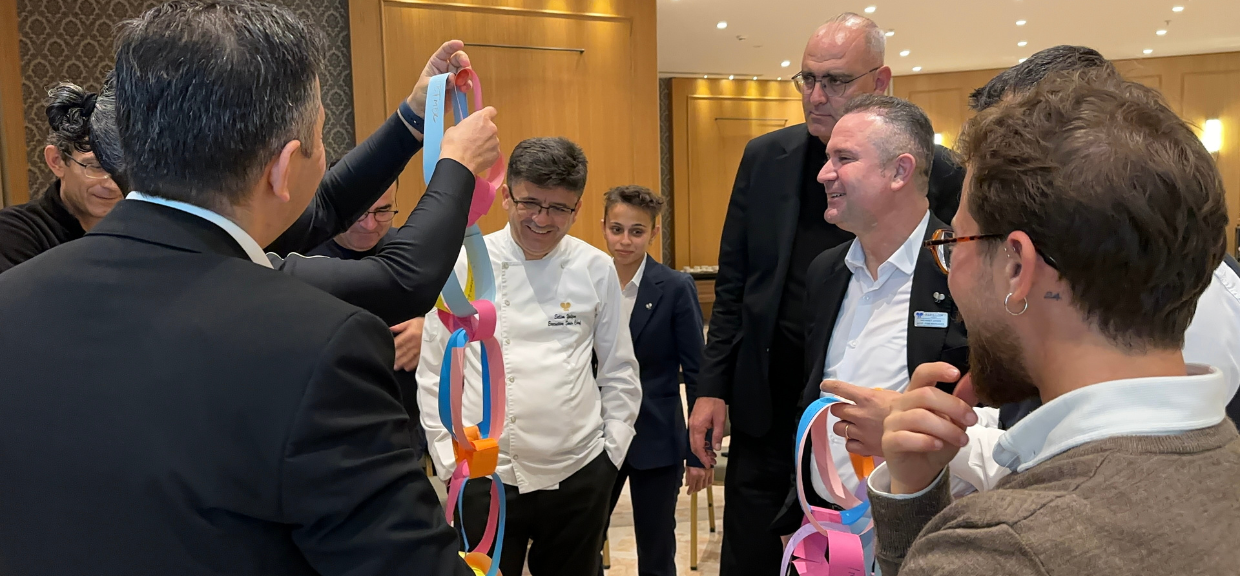
300+ organisations and projects in 60+ countries
Organisations across automotive, logistics, pharmaceuticals, retail, education and luxury consumer goods, as well as universities and civil society organisations

























Delivery format
Format: Seminar • Workshop • Training
Objective
To build a shared set of concepts and make the types and risks of bias in social and working life visible.
Learning Outcomes
- Define unconscious bias and how the mind creates it.
- Understand the core neuroscientific processes behind bias (fast thinking, automatic processing, etc.).
- Explain the impact of unconscious bias on decision-making, communication and performance.
- Interpret the role of belief systems, cultural codes and social learning in the formation of bias.
- Explain the relationship between individual thinking patterns and organisational practices.
Objective
To generate alternative behaviours through cases and practice, and strengthen dialogue within the team.
Learning Outcomes
- Explain the relationship between individual thinking patterns and organisational practices.
- Notice their own thinking patterns with interactive awareness tools (these tools are used for awareness and discussion, not for individual diagnosis).
- Analyse how emotions, thoughts and belief systems turn into biased behaviour.
- Distinguish structural barriers to diversity and inclusion at individual and system level.
- Create a micro-practice plan to reduce bias.
Objective
Linking behaviour to processes: designing a simple system that supports decision quality.
Learning Outcomes
- Explain the relationship between individual thinking patterns and organisational practices.
- Analyse, through case studies, at which stage bias comes into play.
- Identify risk areas where bias forms, using a decision-point map.
- Develop a personal action plan to reduce bias.
- Build an implementation framework for sustainable inclusive communication within the team.
Other trainings you may be interested in

Inclusive Recruitment and Interview Techniques
Practices that reduce bias at the moment of decision through structured interviews and shared criteria.
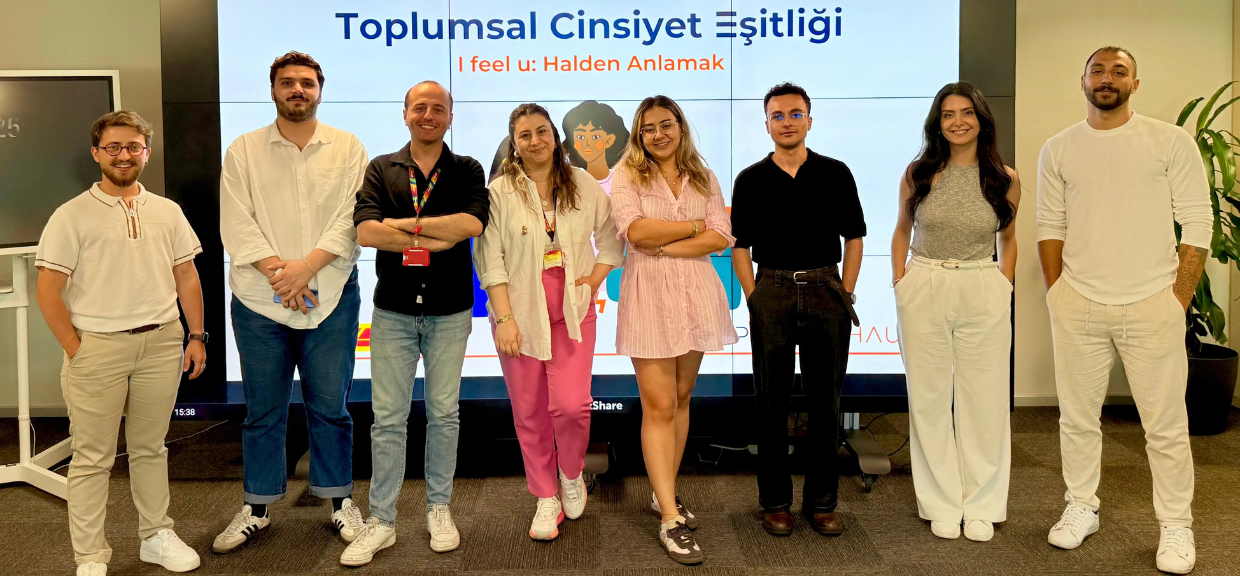
Gender Equality and an Inclusive Working Environment
Strengthening an inclusive climate through equality practices, language and behaviour standards.
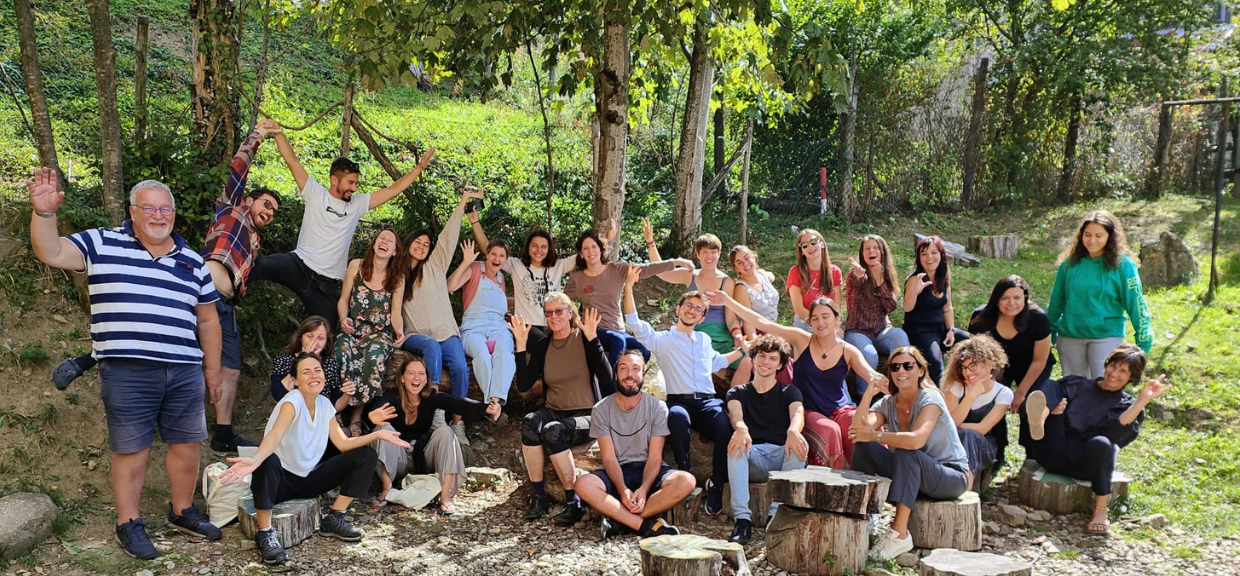
Intergenerational Communication
Team practices that reduce false assumptions and build a shared language and collaboration.
Related articles
You can use these articles for “micro-reinforcement” in internal communication after the training.
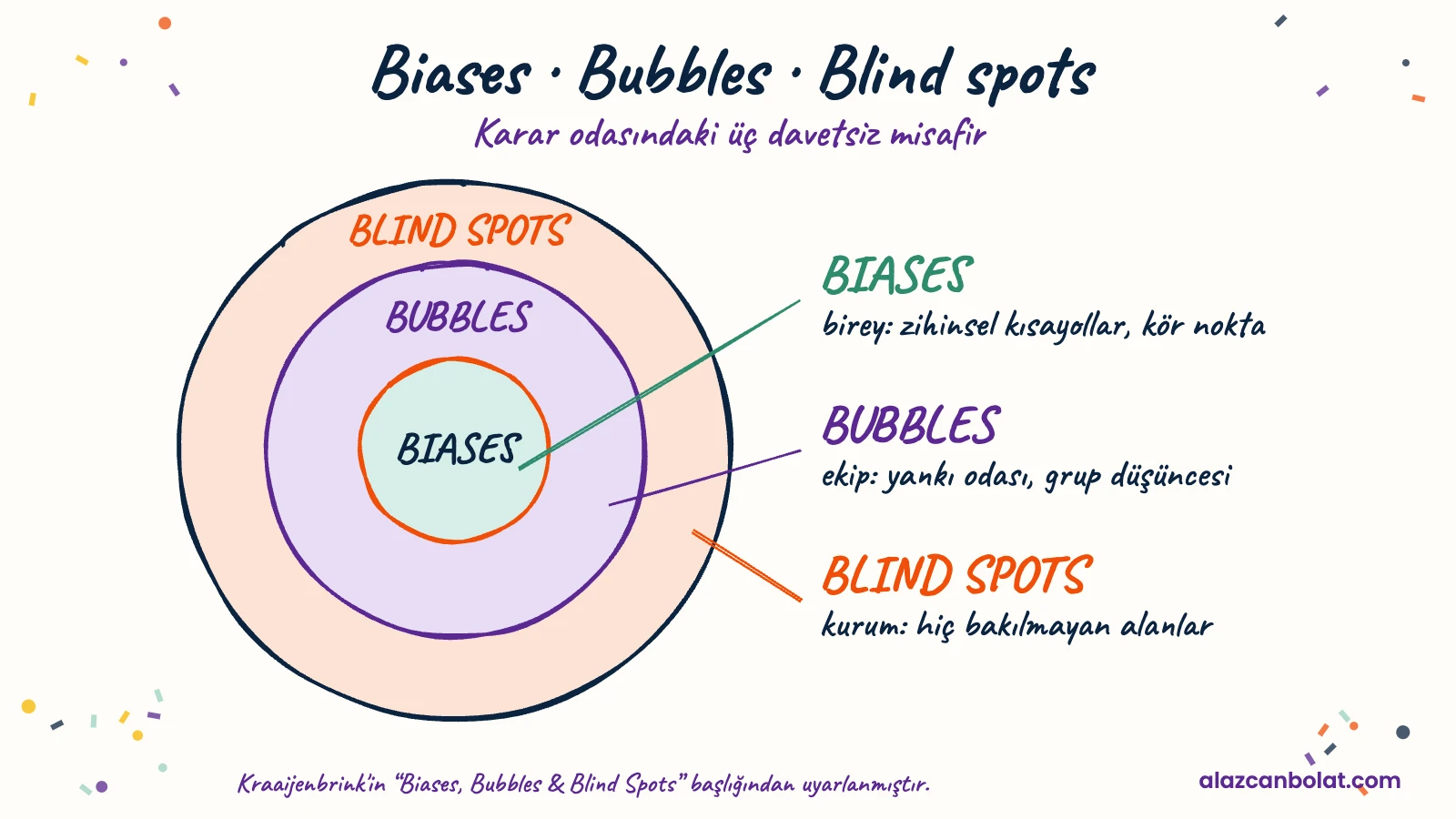
Why Unconscious Bias Training Alone Is Not Enough
What does the research say, how do you link training to decisions, and what should you measure?

DEI in Organisations
Moving DEI from rhetoric to systems: processes, culture and sustainability.
The Bystander Effect at Work
The “if no one said anything, there is no problem” trap: the mechanism of silence and normalisation.
Frequently asked questions
Which teams should this training prioritise?
It has high impact for decision- and problem-focused teams in every sector (leadership, HR, recruitment, performance, customer and operations teams). The format is adapted to roles and risk areas.
How is interaction ensured in online and hybrid delivery?
Every format is built on content grounded in experiential learning methodology. Physical games and activities are adapted for digital delivery, and participation and learning are made visible through group work, semi-structured brainstorming and coaching-based tools. In hybrid delivery, pre-learning and follow-up steps are added.
How is the training adapted to the organisation?
A 30-minute needs call clarifies target behaviours, sample scenarios and participant profiles. The content and delivery plan are then revised to fit the organisational context.
How are impact and outcomes tracked?
In longer or modular programmes, micro-assignments and a follow-up plan are designed with concrete indicators based on tracking and measurement metrics.
Let's start planning
Let's define the duration (90 min / 3 hours / 1 day) and delivery format (online / in person / hybrid) that fit your organisation's needs.